
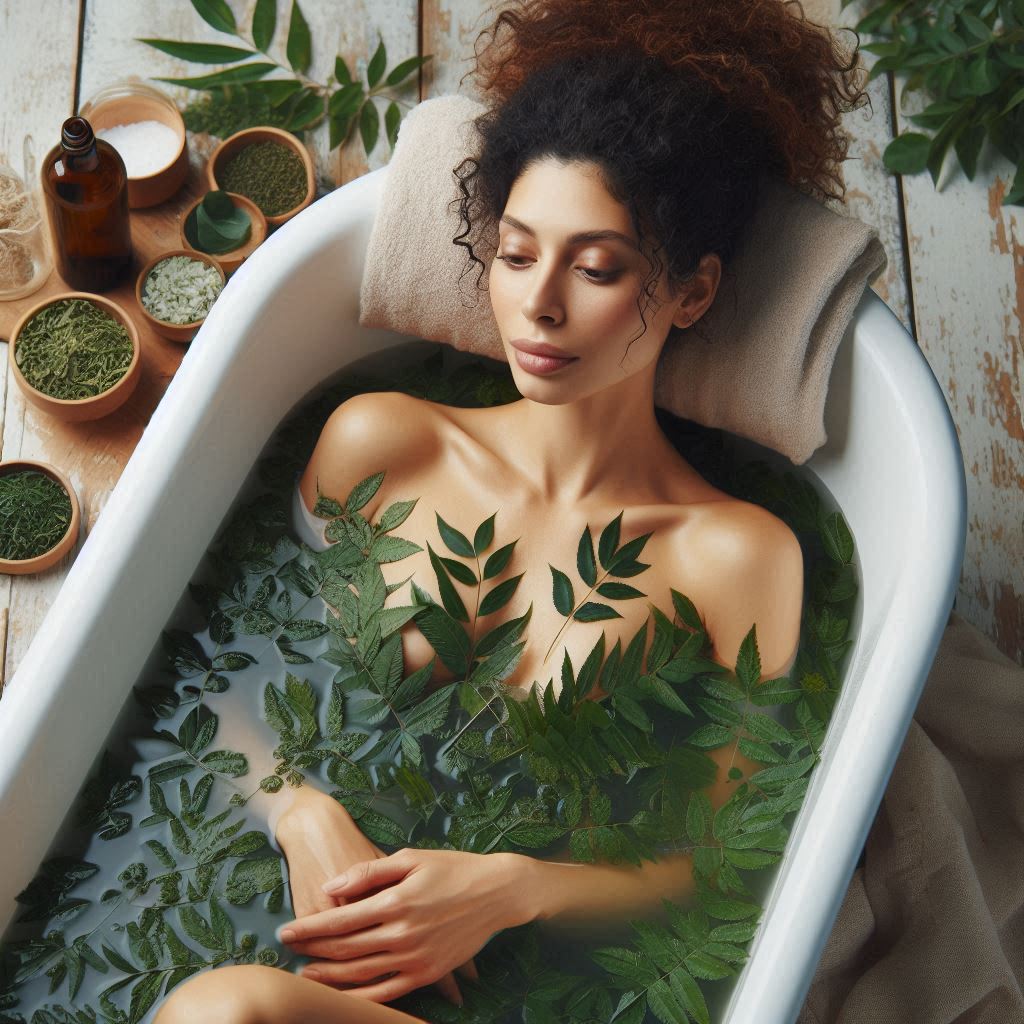
Forget five-star spas and their extravagant price tags. The key to achieving healthy, radiant skin and hair might lie not in the latest serums or chemical concoctions, but in harnessing the wisdom of ancient practices. Bathing with natural tree leaf infusions, particularly neem, is an age-old tradition experiencing a resurgence in the wellness world, and for good reason. This practice transcends mere “bathing” – it’s a luxurious self-care ritual steeped in history and brimming with potential benefits.
From ayurveda to modernity
For millennia, cultures worldwide have embraced the therapeutic properties of plants. In India, Ayurveda, the “science of life,” has long revered neem (Azadirachta indica) for its medicinal applications. Neem leaves boast a remarkable profile of bioactive compounds, including nimbin, azadirachtin, and quercetin, which contribute to its antimicrobial, antifungal, and anti-inflammatory properties [1]. Traditionally, bathing with neem-infused water has been used to combat various skin conditions like eczema and psoriasis, promote wound healing, and even alleviate dandruff [2].
This practice isn’t confined to the Indian subcontinent. Across the globe, communities have utilized various tree leaves for their specific properties. In North America, indigenous tribes have used oak (Quercus spp.) leaves, known for their astringent properties, to treat skin irritations. Similarly, eucalyptus (Eucalyptus globulus) leaves, with their invigorating aroma and antiseptic qualities, have been a staple in Australian bathing rituals for centuries.
The science behind the soak
While anecdotal evidence abounds, contemporary research is starting to shed light on the potential benefits of bathing with tree leaf infusions. A study published in the Journal of Ethnopharmacology investigated the efficacy of neem leaf extract against Staphylococcus aureus, a common bacteria responsible for skin infections. The results demonstrated that neem extract exhibited significant antibacterial activity.
Another study, published in the Indian Journal of Dermatology, explored the impact of neem leaf paste on patients with chronic eczema. The findings suggested that topical application of neem, alongside conventional treatment, resulted in a marked improvement in symptoms. While further research is needed to fully elucidate the mechanisms at play, these studies offer a glimpse into the potential of natural tree leaf infusions for promoting skin health.
A botanical bath bonanza
While neem reigns supreme, a world of botanical possibilities awaits exploration. Here’s a glimpse into some other potent tree leaves traditionally used in baths:
- Oatmeal bath (Avena sativa): Colloidal oatmeal, finely ground oatmeal, is a well-known remedy for soothing itchy, irritated skin. Studies have shown it possesses anti-inflammatory and antioxidant properties, making it ideal for those with conditions like eczema and psoriasis [2].
- Green tea bath (Camellia sinensis): Rich in antioxidants like epigallocatechin gallate (EGCG), green tea leaves are believed to offer anti-aging benefits for the skin. Research suggests EGCG may help protect against collagen breakdown, a key factor in skin aging.
- Chamomile bath (Matricaria recutita): Renowned for its calming properties, chamomile boasts anti-inflammatory and wound-healing effects. A chamomile bath can be a soothing retreat for those experiencing stress or skin irritation.
A luxurious self-care ritual
Transforming your bath into a nature-infused sanctuary is surprisingly simple. Here’s your guide to a blissful botanical soak:
- Leaf selection: Choose the leaves best suited to your needs. Consider neem for its antimicrobial properties, oatmeal for soothing irritation, or green tea for a rejuvenating experience.
- Preparation: Fresh or dried leaves can be used. For fresh leaves, simply wash them thoroughly. For dried leaves, simmer them in water for 15-20 minutes to create a potent infusion.
- The perfect bath: Strain the leaf infusion into your warm bathwater. Add a touch of carrier oil like coconut or almond oil for extra hydration. Light some candles, put on calming music, and create a relaxing atmosphere.
- Soak and savor: Immerse yourself in the bath for 20-30 minutes, allowing the therapeutic properties of the leaves to work their magic. Take deep breaths, letting go of stress and tension.
A word of caution
While generally safe, it’s important to note that some people might experience skin sensitivity to certain leaves. It’s always advisable to do a patch test on a small area of your skin before taking a full bath. Additionally, if you have any underlying skin conditions, consult a dermatologist before incorporating herbal baths into your routine.
Nature’s embrace
In a world obsessed with instant gratification and synthetic solutions, the allure of a natural bath ritual is undeniable. It’s a return to simpler times, a reconnection with the wisdom of the earth. Bathing with tree leaf infusions isn’t just about hygiene; it’s a holistic experience that nourishes the skin, calms the mind, and promotes overall well-being.
This ancient practice is experiencing a modern revival, and for good reason. While research is ongoing, the potential benefits for skin health and relaxation are promising. So, ditch the harsh chemicals and embrace the gentle power of nature. With a basket full of leaves and a bathtub brimming with possibility, embark on a journey of self-care that’s both luxurious and sustainable. Remember, sometimes, the most potent remedies grow right outside our window.
The future of botanical baths is brimming with exciting possibilities. As scientific understanding deepens, we can expect to see a wider range of tree leaves and herbal formulations specifically tailored to address various skin concerns. Additionally, research into the synergy of different botanical combinations could unlock even greater therapeutic benefits.
Furthermore, the rise of “bath bombs” and bath salts infused with natural ingredients reflects a growing consumer interest in natural alternatives. This trend could pave the way for innovative, convenient options for those seeking to incorporate botanical baths into their busy lives.
Ultimately, the resurgence of natural bath rituals signifies a shift towards a more holistic approach to wellness. It’s a celebration of self-care that transcends the superficial and delves into the interconnectedness of mind, body, and nature. So, the next time you crave a luxurious spa experience, consider the power of a simple, botanical bath. You might just discover a newfound appreciation for the ancient wisdom that lies at the heart of true well-being.
Photo credit: René Cortin – Flickr – Wikimedia Commons
Data Sources:
[1] https://www.ncbi.nlm.nih.gov/pmc/articles/PMC3202331/
[2] https://www.ncbi.nlm.nih.gov/pmc/articles/PMC3920918/

9 Comments
Wow, this post is like a breath of fresh air! I never knew bathing with leaves could be so beneficial. Love that it goes beyond just neem – all those other options sound amazing, especially chamomile for a relaxing soak after a long hike. Definitely going to try an oatmeal bath next time I have some sunburn!
This is exactly what I’ve been looking for! I’m all about natural remedies and spending time in nature, so this whole idea of a botanical bath feels perfect. Love that the article mentions sustainability too – way better than all those harsh chemicals that end up polluting our water.
This blog post is really interesting! Learning about the history and potential benefits of botanical baths is cool. While I’m all for natural remedies, I do wonder how much water a typical botanical bath uses compared to a regular shower. Maybe there’s a way to have a shorter, more water-conscious soak and still get the benefits?
This article is awesome! My muscles are always screaming after training, and anything that can help with recovery is a win in my book. Soaking in a neem bath sounds way more appealing than another ice bath (although, maybe I could combine them for a supercharged recovery session?). Definitely going to try this out next time I’m feeling beat.
This is fantastic exposure for the amazing world of tea! So glad the article highlights the potential of other leaves beyond just green tea. Maybe it can spark some interest in exploring other herbal teas like chamomile or even some flowering varieties for a truly luxurious bath experience. Who knows, this could be the next big trend in self-care, and us tea producers might be right at the forefront!
This post makes learning about something new, like the science behind the leaves, interesting and easy to understand. Plus, the call to action at the end makes me want to run outside and gather some leaves right now! Maybe I can even convince my friends to have a nature-themed spa night!
Love the idea of using natural ingredients for self-care! Seems way better than all those chemical-laden bath products. One thing to consider though – are there any concerns about using certain leaves in bathwater and their impact on local ecosystems? Maybe there are specific types that are more sustainable to use than others?
This is right up my alley! As an athlete, I’m always looking for natural ways to keep my skin healthy and prevent irritation from all the sweat and gear. Love that the article mentions oatmeal baths for soothing – perfect for those days when my skin feels like sandpaper. Plus, the whole idea of a relaxing botanical soak sounds amazing for unwinding after a tough training session.
Wow, this article is like a love letter to all things tea! Never thought about using green tea leaves in the bath, but it makes perfect sense. Love how the article talks about the benefits beyond drinking it – gotta find a way to convince my customers about the whole bath ritual too! Maybe some special green tea bath blend sachets could be a new product line?