
Tenerife, the largest island in Spain’s Canary Islands archipelago, beckons travelers with its dramatic volcanic landscapes, verdant laurel forests, and sun-kissed beaches. This geographically diverse island boasts a microcosm of climates, ranging from arid volcanic plains to lush cloud forests, attracting over 5 million tourists annually [1]. However, for the discerning eco-conscious traveler, Tenerife presents a fascinating paradox. While the island boasts stunning natural beauty and a growing commitment to sustainable practices, its dependence on tourism necessitates a critical analysis of its environmental impact.
This article delves into the complexities of eco-friendly travel in Tenerife. We will explore the island’s unique ecosystems, its historical relationship with tourism, and the ongoing efforts towards sustainability. By examining these facets, we aim to equip the discerning traveler with the knowledge to make informed choices while maximizing their enjoyment of this remarkable destination.
A treasure trove for nature enthusiasts
Tenerife’s volcanic origins have sculpted a landscape of unparalleled diversity. Mount Teide, a UNESCO World Heritage Site and Spain’s highest peak, dominates the island, creating a microclimate that nurtures distinct ecosystems. The arid southern region, characterized by volcanic rock formations, contrasts sharply with the verdant laurel forests blanketing the north, remnants of the ancient Tethys Sea. The island is a haven for endemic flora and fauna, boasting the world’s largest Canary pine forest and sheltering endangered species like the Canarian Egyptian vulture [2].
Tenerife’s designation as a Biosphere Reserve by UNESCO in 2014 underscores the international recognition of its ecological significance. This designation highlights the island’s commitment to balancing conservation and development while promoting responsible tourism practices [3].
A boon and a challenge
Tourism is the cornerstone of Tenerife’s economy, directly contributing to over 20% of its GDP [4]. The island’s popularity stems from its year-round sunshine, diverse landscapes, and well-developed tourist infrastructure. However, this very success presents a challenge. Mass tourism can lead to environmental degradation through increased water consumption, waste generation, and habitat loss.
Striving for sustainability as a work in progress
Recognizing the potential pitfalls of uncontrolled tourism, Tenerife has embarked on a journey towards sustainable development. The island’s authorities have implemented various initiatives, including:
- Renewable energy investments: The Canarian government has set ambitious targets for renewable energy production, aiming for 100% self-sufficiency by 2050 [5]. Tenerife is leading the charge, with wind farms and solar installations contributing significantly to its energy mix.
- Sustainable accommodation: An eco-tourism certification program encourages hotels and resorts to adopt sustainable practices such as water-saving fixtures, energy-efficient appliances, and local food sourcing [6].
- Responsible tourism initiatives: Campaigns promoting responsible behavior among tourists include minimizing waste, respecting natural areas, and supporting local businesses.
- Protected areas: Nearly half of Tenerife’s land area falls under some form of protection, including national parks, nature reserves, and biosphere reserves. These protected areas provide vital safeguards for the island’s unique ecosystems [7].
Challenges and considerations for the eco-traveler
Despite these positive strides, challenges remain. Water scarcity is a persistent concern, with the island relying heavily on desalination plants, an energy-intensive process. Additionally, transportation infrastructure geared towards mass tourism can lead to increased carbon emissions.
For the eco-conscious traveler, responsible choices can significantly mitigate their environmental impact. Opting for eco-certified accommodations that prioritize sustainability and local sourcing minimizes environmental footprint. Utilizing public transportation or exploring the island on bicycles or by foot are commendable alternatives to car rentals. Engaging with local guides for nature walks and tours supports the local economy and fosters responsible interaction with the environment.
Tenerife’s untamed beauty
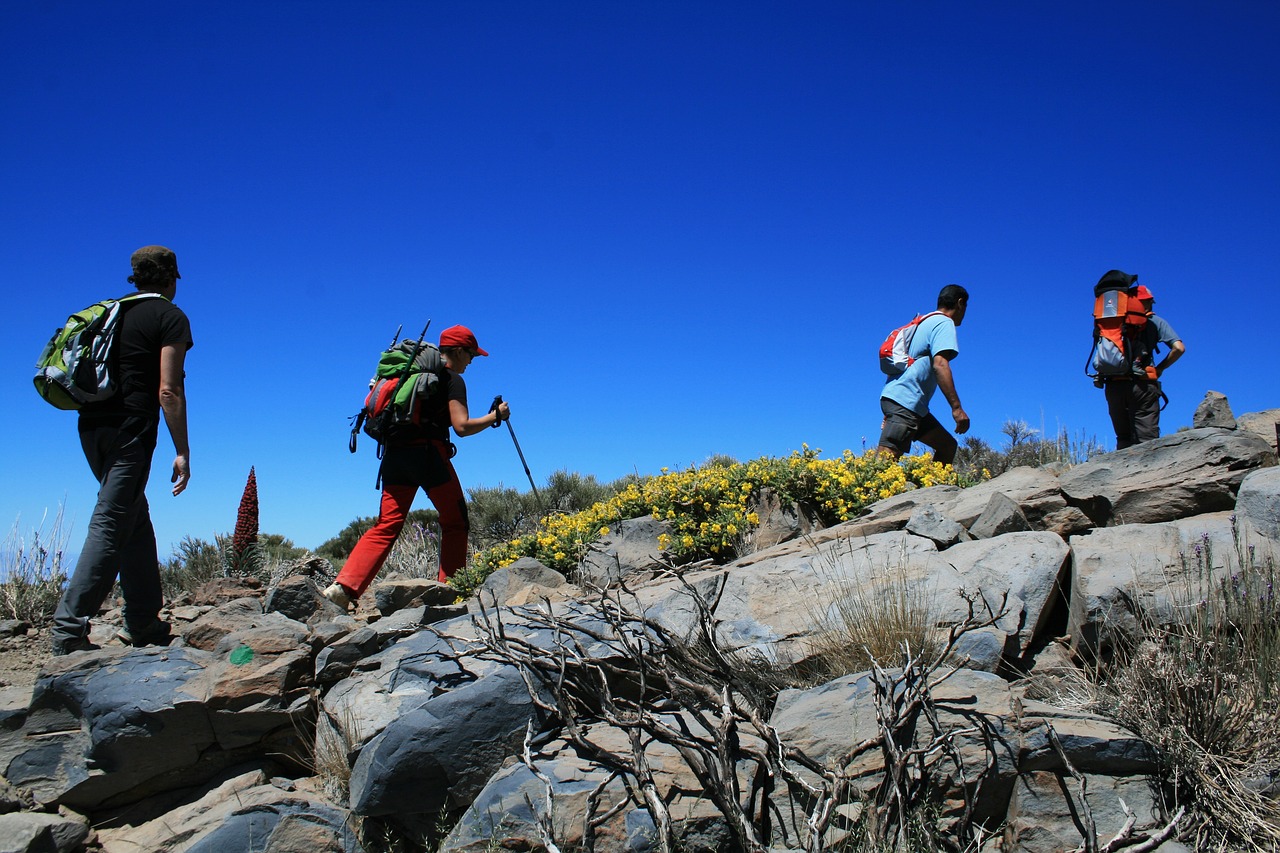
While Tenerife’s beaches are undeniably alluring, venturing beyond the tourist hotspots unveils the island’s true ecological treasures. The Teide National Park offers a plethora of hiking trails, allowing visitors to immerse themselves in the otherworldly volcanic landscapes. The Anaga Rural Park, a UNESCO Biosphere Reserve, provides an opportunity to explore the ancient laurel forests, teeming with diverse plant and animal life.
A sustainable future for Tenerife?
Tenerife presents a fascinating case study in the evolving relationship between tourism and sustainability. While the island’s natural beauty beckons travelers worldwide, its dependence on tourism necessitates a delicate balancing act. By acknowledging the challenges and actively participating in eco-friendly practices, travelers can contribute to a more sustainable future for this extraordinary island.
The journey towards sustainable tourism in Tenerife is ongoing. As the island continues to invest in renewable energy, promote responsible practices, and educate visitors, it has the potential to become a model for eco-conscious tourism destinations. The discerning traveler, armed with knowledge and a commitment to responsible choices, can play a crucial role in shaping this future.
The power of informed choices
Travel, by its very nature, has an environmental impact. However, by making informed choices, travelers can significantly mitigate their footprint. Here are some key considerations for the eco-conscious traveler visiting Tenerife:
- Minimize waste: Reduce single-use plastics by carrying a reusable water bottle and shopping bag. Opt for accommodations that minimize waste generation and offer recycling options.
- Support local businesses: Dine at locally-owned restaurants that source ingredients from Tenerife’s farms and fisheries. Choose locally-made souvenirs and handcrafted goods to support the island’s economy and cultural heritage.
- Respect the natural environment: Stay on designated trails during hikes and avoid disturbing wildlife. Be mindful of water usage and adopt eco-friendly practices whenever possible.
- Educate yourself: Research local conservation efforts and responsible tourism initiatives before your trip. By understanding the challenges Tenerife faces, you can make informed decisions that contribute to its well-being.
A global call for responsible tourism
Tenerife’s story serves as a microcosm of the broader conversation about sustainable tourism on a global scale. As travel becomes increasingly accessible, the need for responsible practices becomes paramount. By adopting a mindful approach and prioritizing eco-friendly choices, travelers can ensure that the destinations they cherish are preserved for generations to come.
Data sources:
[1] Instituto Canario de Estadística, “Encuesta de Gasto Turístico en Canarias (EGTCAN)” (https://www.gobiernodecanarias.org/istac/) (accessed March 28, 2024)
[2] Cabildo de Tenerife, “Medio Ambiente y Sostenibilidad” (https://www.tenerife.es/portalcabtfe/es/temas/medio-ambiente-de-tenerife) (accessed March 28, 2024)
[3] UNESCO World Heritage Centre, “Teide National Park” (https://en.unesco.org/biosphere/eu-na/macizo-anaga) (accessed March 28, 2024)
[4] The Canary Islands Institute of Statistics, “Canary Islands in Figures: Tourism” (https://turismodeislascanarias.com/sites/default/files/promotur_frontur_septiembre_2020_en.pdf) (accessed March 28, 2024)
[5] Gobierno de Canarias, “La lucha contra el cambio climático” (https://www.gobiernodecanarias.org/cambioclimatico) (accessed March 28, 2024)
[6] Red Española de Turismo Sostenible (Sostenible.Travel), “Canarias” (https://turismo.gob.es/es-es/estrategia-turismo-sostenible/paginas/index.aspx) (accessed March 28, 2024)
[7] Ministerio para la Transición Ecológica y el Reto Demográfico, “Red de Parques Nacionales” (https://www.miteco.gob.es/es/parques-nacionales-oapn/red-parques-nacionales/parques-nacionales.html) (accessed March 28, 2024)
Further reading:
- “Sustainable Tourism in the Canary Islands: A Review” by David A. Hernández-Hernández et al. (https://www.sciencedirect.com/science/article/abs/pii/B9780128050682000243)
- “The Canary Islands: A Model for Sustainable Tourism Development?” by John M. Bryson et al. (https://onlinelibrary.wiley.com/doi/pdf/10.1002/%28SICI%291099-0836%28199911/12%298%3A6%3C336%3A%3AAID-BSE217%3E3.0.CO%3B2-7)
A final word
Tenerife’s breathtaking beauty and diverse ecosystems offer an unforgettable travel experience. By embracing responsible practices and prioritizing sustainability, travelers can ensure that this remarkable island continues to thrive for generations to come. Let Tenerife be a springboard for a global conversation about mindful travel and a commitment to preserving the natural wonders of our planet.

8 Comments
Great piece! I loved the detailed breakdown of Tenerife’s unique ecosystems and the challenges of balancing tourism with conservation. One area I think could be delved into a bit more is transportation. While public transport is mentioned, Tenerife still seems car-centric for tourists. Maybe highlighting bike rentals, walking tours, or even electric car options could nudge travelers towards a lower-carbon footprint. After all, Tenerife’s volcanic landscapes are best experienced up close and personal, not through a car window!
This article hits the nail on the head! It’s awesome to see Tenerife is stepping up its sustainability game. Renewable energy, local food, responsible waste management – these are all key ingredients for a healthy tourism industry. But what really resonated with me is the focus on traveler choices. We all have the power to make a difference, and this article empowers tourists to be a force for good. Imagine the impact if every visitor used a reusable water bottle and opted for local eats! Here’s to Tenerife becoming a model for sustainable travel, one eco-conscious traveler at a time.
This is a well-written piece, but us eco-travelers crave adventure! Sure, Tenerife’s beaches are stunning, but the focus on hiking and exploring the natural parks got me excited. Maybe some suggestions for eco-tours or sustainable accommodation options near these protected areas could be included? After all, the best way to appreciate nature is to experience it firsthand, with minimal impact of course. Let’s show Tenerife that ecotourism can be just as fun (and way more rewarding) than the traditional tourist experience.
This article left me feeling optimistic about the future of Tenerife. Sure, there are challenges, but the island’s commitment to renewable energy and protecting its natural beauty is inspiring. The data on eco-certifications and protected areas is a great indicator of progress. As travelers, we can all be part of the solution. Let’s support the businesses making a positive impact and spread the word about responsible tourism in Tenerife. Together, we can ensure this island paradise stays paradisiacal for years to come.
This article’s got me thinking – supporting local businesses and eating fresh is great, but is that affordable in Tenerife? Fancy restaurants might be out, but what about local markets or street food? The article mentions supporting local farms and fisheries – maybe there’s a way to find those spots and cook our own meals? Exploring new flavors and saving some cash – that’s a win-win for this dad! I gotta do some research on Tenerife’s local food scene, see if there’s a way to experience the island’s culture without breaking the bank. After all, the best souvenirs are memories (and maybe a full stomach!).
This article is a breath of fresh air! It’s honest about the challenges Tenerife faces – water scarcity, tourism pressure – but it also highlights the island’s efforts to be more sustainable. Renewable energy, responsible waste management – these are all steps in the right direction. The part about supporting local businesses really resonated with me. Tourists can have a huge impact on a place, and keeping our dollars local helps communities and protects the environment. Tenerife can be a model for other islands – sunshine shouldn’t have to come at the cost of a healthy planet.
Great starting point, but I wish there was more on water. Tenerife’s a beautiful island, but water scarcity is a serious issue. Desalination plants use a ton of energy, so maybe some tips on water conservation for tourists could be helpful? Shorter showers, refillable water bottles – every drop counts, especially on an island paradise!
This blog’s cool, but Tenerife sounds a little pricey for a regular dad like me. All those fancy eco-lodges and whatnot… gotta be expensive, right? Still, the idea of volcanic landscapes and nature walks got me pumped! Maybe there’s a way to experience Tenerife on a budget, even for us folks who gotta watch every penny. Are there any hostels or budget-friendly options mentioned? And hey, exploring on foot or bike sounds way cheaper (and healthier!) than renting a car. Maybe I can find some info online about camping or free activities. Tenerife might not be a luxury vacation, but an eco-adventure with my kid sounds pretty awesome!