
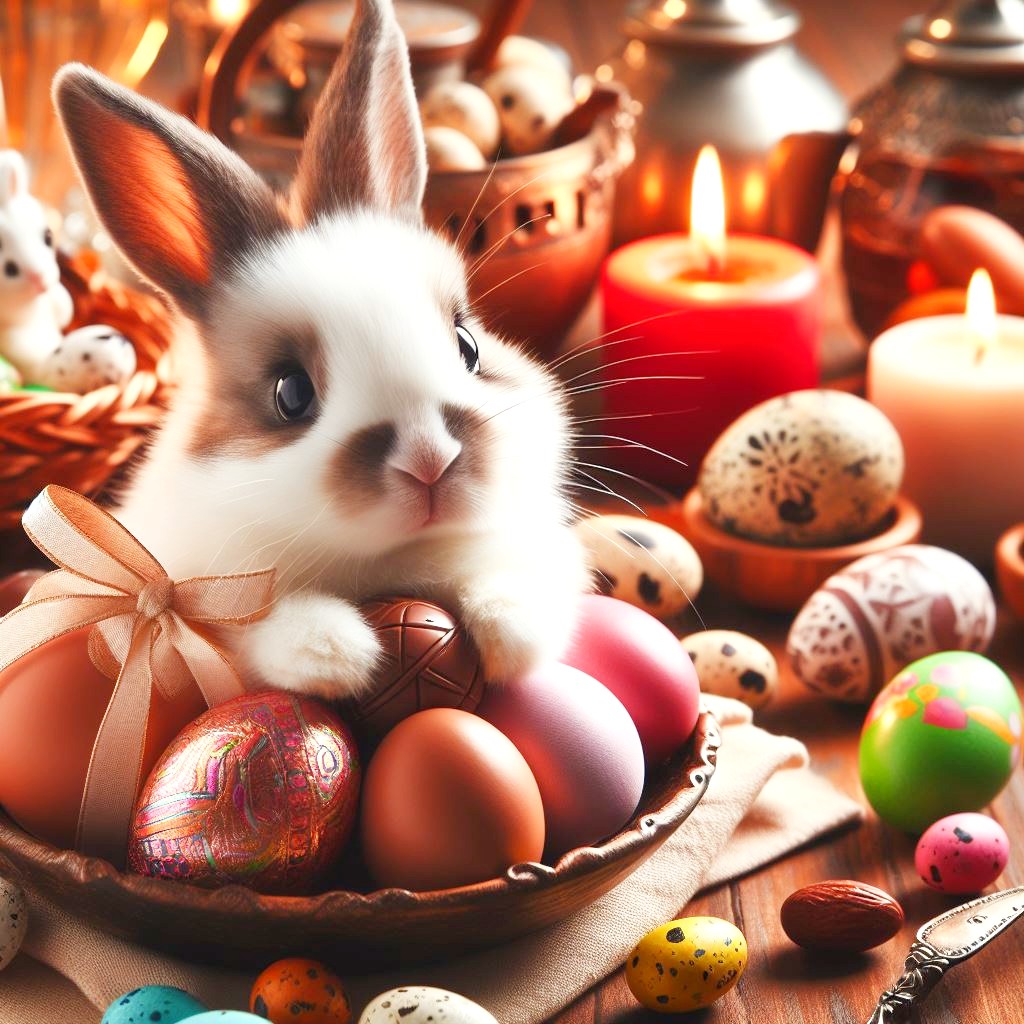
Easter Sunday, a vibrant tapestry woven with traditions like chocolate bunnies and pastel eggs, marks a cornerstone of Christianity. But beyond the cheery facade lies a narrative rich in symbolism, history, and profound theological meaning. For many, it’s a time for family gatherings and delightful treats. But for Christians, it signifies a triumph over mortality, a promise whispered from the grave itself. So, why exactly do we celebrate Easter, and what depths of meaning lie hidden within this ancient tradition?
At its core, Easter commemorates the resurrection of Jesus Christ from the dead, an event believed to have occurred three days after his crucifixion around 30 AD. This belief hinges on the central tenet of Christianity: salvation through faith in Jesus. His crucifixion is seen as a sacrifice for humanity’s sins, while the resurrection signifies his victory over death and the promise of eternal life for those who believe.
The roots of Easter, however, stretch far beyond the confines of a single religion. Springtime celebrations of renewal and rebirth have been ingrained in human cultures for millennia. The ancient Egyptians, for instance, observed a festival around the vernal equinox, honoring Osiris, the god of the underworld who died and was resurrected. Similarly, the Persians celebrated Nowruz, a joyous occasion marking the triumph of light over darkness.
Early Christians, acutely aware of these pagan traditions, likely saw parallels with their own faith. Just as nature awakens from its winter slumber, Jesus emerged from the tomb, symbolizing the promise of new beginnings. The very name “Easter” itself may hold echoes of these pre-Christian practices. Some scholars believe it derives from Eostre, the Anglo-Saxon goddess of spring and fertility, while others point to a connection with the Hebrew word for “pesach,” meaning “passover,” a Jewish holiday commemorating the Israelites’ liberation from Egypt.
The concept of resurrection, however, wasn’t entirely foreign to the Jewish tradition either. Passover itself celebrates a symbolic death and rebirth – the Israelites’ escape from slavery representing a passage from death to life. The prophet Isaiah speaks of a “suffering servant” who would die for the sins of others, foreshadowing the Christian concept of Jesus’ sacrifice.
By incorporating elements of these existing traditions, Christianity created a powerful narrative that resonated with people across cultures. Easter became a potent symbol of hope, a beacon of light amidst the darkness of mortality. The celebration wasn’t merely about a historical event; it was a declaration of faith in a transformative power that could conquer even death.
The traditions associated with Easter themselves are steeped in symbolism. Eggs, a ubiquitous symbol of Easter, represent new life and rebirth. They were traditionally forbidden during Lent, the 40-day period of fasting and reflection leading up to Easter, making their reappearance on Easter Sunday particularly significant. Decorating eggshells, a practice that likely originated in Mesopotamia, became a way to beautify these symbols of new beginnings.
The Easter bunny, a more recent addition to the Easter pantheon, has its origins in Germanic folklore. Hares, known for their fertility, were associated with the pagan goddess Eostre. German immigrants brought these traditions to America in the 17th century, where the hare morphed into the now-beloved Easter bunny, a whimsical harbinger of springtime bounty.
The Easter feast, a joyous occasion for families to gather, also carries symbolic weight. The consumption of lamb, traditionally a symbol of sacrifice in many cultures, echoes the sacrificial death of Jesus. Hot cross buns, adorned with a cross made of icing, serve as a visual reminder of the crucifixion. Chocolate eggs, a more recent invention, blend the joy of springtime with the symbolism of new life.
Easter’s significance extends far beyond the Christian faith. It has become a cultural touchstone, a time for reflection and renewal that transcends religious boundaries. In a world often grappling with darkness and despair, Easter offers a powerful message of hope, a reminder that even in the face of death, new life can emerge.
The celebration of Easter, then, is a tapestry woven from threads of history, faith, and cultural traditions. It’s a testament to humanity’s enduring hope for renewal and the transformative power of belief. As we gather with loved ones, indulge in sweet treats, and witness the natural world burst forth in vibrant colors, let us remember the profound meaning that lies beneath the surface of this cherished tradition. Easter is a crack in the cosmic egg, a promise whispered from the grave, a vibrant reminder that even in the darkest of times, new life can spring forth.
Photo credit: René Cortin – Flickr – Wikimedia Commons

7 Comments
“Even though I’m not religious myself, I found the whole idea of Easter as a story of hope really interesting. It’s a powerful narrative, you know? This idea of conquering death and starting fresh. It’s no wonder the story stuck around for so long, even if the details have changed.”
Wow, this really captures the essence of Easter! It’s more than just jellybeans and egg hunts, you know? It’s about celebrating the core of our faith – Jesus’ sacrifice and resurrection. The article does a great job of explaining how Easter connects to those older traditions, too. It all feels linked together in this beautiful story of hope and new beginnings.
“I love how the article explores the symbolism behind the Easter traditions. Eggs – new life! Bunnies – fertility and abundance! It’s all a reminder of the incredible gift of Christ’s resurrection. These symbols point to something so much bigger than ourselves, a promise that transcends this earthly life.”
Look, I might not believe in the resurrection thing, but I can still appreciate a good egg hunt! Decorating eggs and having a big family feast – those are traditions I can definitely get behind. Plus, who can resist chocolate bunnies? Easter’s a time to celebrate spring and enjoy some fun traditions, religious or not.
This makes me want to shout from the rooftops about the joy of Easter! It’s a time to reflect on God’s love and share that message with others. Maybe I can use some of these historical tidbits to spark conversations with friends and family who don’t know Jesus yet. After all, who wouldn’t want to hear a story about hope and new life?
Don’t get me wrong, the whole resurrection thing is pretty cool. But as a chocolate lover, Easter is basically an excuse to indulge in the most delicious tradition ever invented! Milk chocolate, dark chocolate, white chocolate – there’s a bunny for every mood. Plus, who doesn’t love a good egg hunt that ends with a sweet reward? Easter is a win-win for chocoholics and believers alike!
You are talking about how Easter traditions have changed over time. Well, let’s talk about the best change ever: chocolate eggs! Imagine Easter baskets filled with hard-boiled eggs – yuck! Chocolate eggs are a delightful upgrade. They come in all shapes and sizes these days, filled with truffles, caramels, and even peanut butter. Now that’s something to celebrate!